
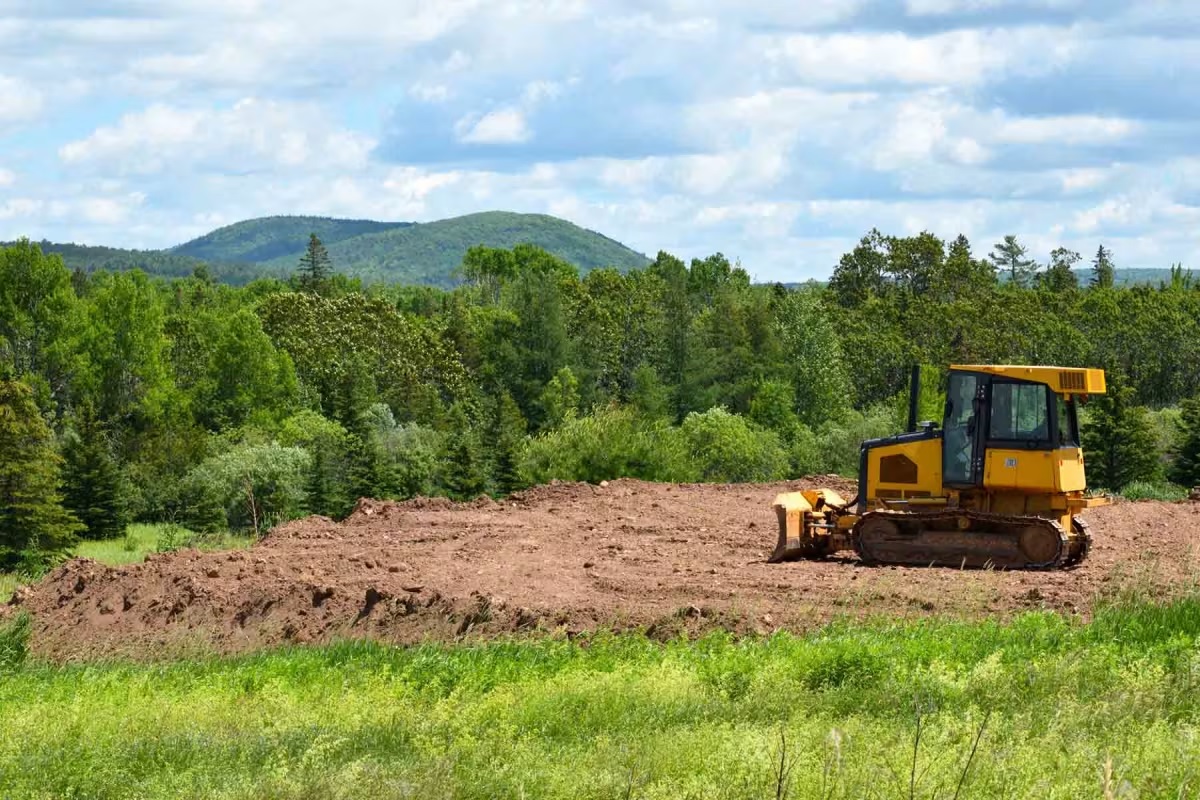

For many, land is a blank canvas waiting to become something new—a home, a park, a farm, or a business hub. But before any blueprint can come to life, one essential step must happen: land clearing. It’s the often-overlooked backbone of any successful construction or agricultural project, blending technical precision with environmental responsibility.
In a time when sustainable development and responsible land use are more important than ever, land clearing services are evolving to meet modern demands. From selective tree removal to full-scale vegetation management, these services help transform overgrown or unusable property into workable terrain.
More Than Bulldozers and Chainsaws
When people hear “land clearing,” they often imagine bulldozers leveling everything in sight. While that may have been the norm decades ago, today’s land clearing services are far more nuanced. Advanced machinery, GPS-guided equipment, and environmentally sensitive practices have turned what used to be a brute-force operation into a strategic, often surgical process.
For example, mulching equipment now allows contractors to clear brush and trees without disturbing the soil. This approach reduces erosion, improves ground health, and leaves a layer of mulch that enriches the earth. Many clearing companies also prioritize the preservation of native vegetation and the safe relocation of wildlife where possible.
That level of care is particularly important in areas like southern Oklahoma, where land use can shift between residential, agricultural, and commercial purposes within a short distance. In places like Ardmore, land clearing companies are finding themselves working on everything from pasture preparation to pipeline access roads.
Why Land Clearing Is a Strategic Investment
At first glance, land clearing might seem like a purely operational task. In reality, it has long-term strategic implications. Poorly cleared land can lead to drainage problems, pest infestations, and regulatory headaches down the road. On the other hand, a well-cleared and prepped site creates a solid foundation—both literally and metaphorically—for any kind of development.
Developers and landowners are increasingly recognizing the value of partnering with experienced professionals who understand local ecosystems, permitting processes, and long-term land use goals. In regions like Ardmore, land clearing experts often consult with clients early in the planning stages, offering insight into how to shape the land in a way that balances utility and sustainability.
This has made Ardmore land clearing services a key player in regional development. By combining local knowledge with specialized equipment and environmental awareness, these providers are helping reshape properties in ways that maximize value and minimize risk.
Agriculture and Land Clearing Go Hand in Hand
In rural areas, land clearing is often a prelude to farming or ranching. Dense brush, invasive species, and rocky terrain can make large sections of property unusable for grazing or cultivation. Clearing out cedar trees, for instance, not only frees up space but also improves soil moisture levels and reduces fire risk.
Many farmers see land clearing as an investment in the future productivity of their property. With smart clearing practices, land can be transformed into fertile ground for crops or grazing fields. In these contexts, precision matters. Removing the wrong trees can lead to wind erosion. Leaving stumps too close to the surface can damage equipment. A skilled clearing service knows how to avoid these pitfalls while increasing long-term land value.
Residential and Commercial Projects Require a Different Touch
For homeowners and commercial developers, the goals of land clearing are often different but no less important. Whether it’s preparing a lot for a new build or opening up a wooded area for landscaping, clearing must be done carefully. Utilities need to be protected. Local regulations must be followed. And any change to the land’s contours can have a ripple effect on drainage and neighboring properties.
Some clearing services now offer 3D mapping and topographical analysis to help plan the clearing process. This data allows developers to see how water will flow across a site or how much soil might need to be moved. These tools are particularly useful in areas with clay-heavy or flood-prone soils.
In a growing number of residential projects, homeowners are asking for selective clearing—removing underbrush and smaller trees while preserving mature hardwoods. It’s a way to blend modern development with natural beauty. Many Ardmore land clearing crews now offer custom packages for this kind of work, giving property owners greater control over their landscapes.
Regulations, Permits, and Environmental Concerns
Clearing land isn’t as simple as firing up a machine and going to work. In most areas, permits are required for large-scale clearing, especially if it involves wetlands, protected species, or public road access. The regulations vary by state and county, and they can be confusing for first-time landowners or developers.
This is another reason professional clearing services have become essential. Many of them handle permitting, erosion control plans, and post-clearing inspections as part of their package. They also help clients avoid costly fines or project delays that come from missteps.
Environmental impact is also a growing concern. Clearing too aggressively can contribute to habitat loss, soil degradation, and long-term damage to local ecosystems. Responsible providers now emphasize low-impact clearing, erosion prevention, and habitat preservation as part of their standard approach.
Some services also offer replanting or reseeding options after clearing, especially on land that will be left undeveloped for a time. These practices help maintain soil structure and reduce invasive regrowth, providing long-term benefits for both the environment and the property owner.
Innovation in Equipment and Techniques
The tools used in land clearing have come a long way. Today’s machines are faster, quieter, and more precise than ever before. Forestry mulchers, for instance, can grind up entire trees into mulch without ever pulling them out of the ground. Skid steers with specialized attachments can tackle rocky or uneven terrain with ease.
Drone surveys are becoming increasingly common as well. With aerial imaging, clearing crews can plan routes, identify obstacles, and monitor progress with greater efficiency. This technology also helps in documenting the site before and after work, which can be useful for regulatory compliance and future planning.
These innovations have helped smaller clearing companies compete with larger outfits, giving property owners more choices and better service overall. For landowners in Oklahoma, this means that even smaller projects—like clearing a few acres for a new driveway or horse pasture—can now benefit from the same high-quality tools and techniques used in major developments.
Looking Ahead: The Role of Land Clearing in Sustainable Growth
As more communities focus on smart growth and sustainable development, land clearing services will play a pivotal role in shaping the future. These services don’t just make space—they make decisions that affect water quality, habitat protection, fire safety, and economic growth.
The key is thoughtful clearing, guided by experience, technology, and respect for the land. In that sense, today’s land clearing companies are more than contractors. They are partners in responsible progress.
Whether you’re prepping acreage for farming or laying the groundwork for a new home, the right clearing service can make all the difference. And in places like Ardmore, land clearing companies are helping turn raw potential into lasting value—one acre at a time.
Comments are closed.