
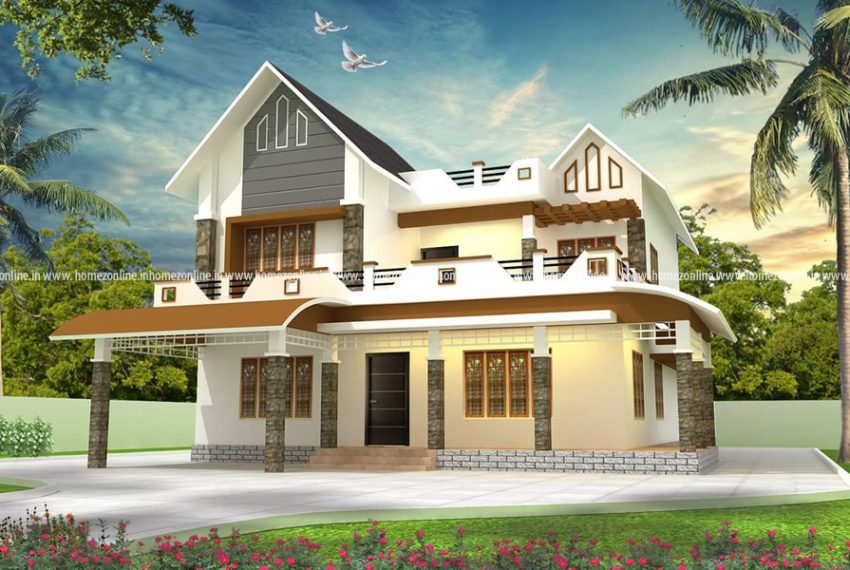

When we speak of “exterior,” we often default to the immediate—walls, windows, roofs, and paint. Yet, a building’s exterior is far more than a visual shell; it is a blend of architecture, environment, personality, and purpose. In an era increasingly attuned to aesthetics and sustainability, the exterior is no longer a mere cover—it is a narrative, a statement, a first impression that lingers. From private residences to commercial facades, mastering the art of exterior design has become essential in shaping how structures are experienced, remembered, and valued.
The Soul of Curb Appeal
First impressions are not simply skin deep—they are emotionally potent. The exterior of a building acts as a silent host, setting expectations before anyone crosses the threshold. Curb appeal, while often associated with real estate, goes beyond market value. It communicates care, pride, and coherence between design and context.
Key elements that enhance curb appeal include:
-
Symmetry and proportion: Balance in design creates harmony that naturally pleases the eye.
-
Color coordination: The right palette can evoke warmth, modernity, or heritage, depending on the intent.
-
Landscaping: A thoughtfully curated garden, even a modest one, frames the building and softens harsh lines.
-
Lighting: Strategic exterior lighting highlights architectural features while offering safety and ambiance.
-
Material texture: Contrasting surfaces—wood against stone, glass beside metal—can add depth and sophistication.
Architecture as Expression
Every exterior tells a story, consciously or not. A mid-century modern home with flat planes and expansive glass panels tells a very different story than a French colonial with ornate shutters and steeply pitched roofs. Architecture becomes an outward expression of personal taste, cultural values, and geographic context.
Consider how coastal homes often feature light-colored exteriors and wide verandas to reflect sunlight and welcome ocean breezes. In contrast, desert architecture embraces earthy tones and compact forms to minimize sun exposure. These adaptations are not just stylistic—they’re pragmatic responses to place, making the exterior a meeting point between art and science.
The Material Dialogue
One of the most pivotal decisions in exterior design is the choice of materials. Durability, climate suitability, maintenance, and aesthetic compatibility all play into the selection process. A well-executed exterior balances these practicalities with visual elegance.
Common exterior materials and their qualities:
-
Wood: Warm, natural, and timeless, though it requires regular upkeep.
-
Brick: Classic and durable, offering rich textures and a historic feel.
-
Stucco: Versatile and smooth, often used in Mediterranean and Southwestern architecture.
-
Fiber cement: A modern alternative combining durability with low maintenance.
-
Metal siding: Industrial and sleek, favored in contemporary designs.
The interplay of these materials can result in façades that are layered, tactile, and visually compelling. Combining rough stone with sleek glass, for example, can create a compelling tension between old and new, rugged and refined.
Sustainability in Exterior Design
Modern exterior design must also address environmental concerns. The push toward sustainable materials and energy-efficient structures has transformed how architects and homeowners approach the outer shell of a building. Passive solar design, green roofs, and thermally insulated cladding are not mere trends—they are long-term investments in environmental stewardship.
Eco-conscious exterior practices include:
-
Using recycled or renewable materials: Bamboo, reclaimed wood, or recycled steel.
-
Installing solar panels: Integrating energy generation into the roofline design.
-
Green walls or vertical gardens: Adding vegetation to the building’s skin for insulation and air purification.
-
Cool roofs: Reflective materials that reduce heat absorption and lower cooling costs.
A sustainable exterior doesn’t sacrifice beauty—it enhances it, offering a deeper story about values and responsibility.
The Role of Technology
Technology has revolutionized exterior design in both form and function. Computer-aided design (CAD), 3D printing, and augmented reality now allow designers to visualize and experiment with exteriors in ways previously unimaginable. Furthermore, innovations in building materials—like self-healing concrete or photochromic glass—are blurring the line between fantasy and feasible.
Smart exteriors are also emerging, with features that respond to changing weather conditions, optimize natural light, and even adjust ventilation automatically. As technology becomes more integrated into our daily lives, the very definition of “exterior” is expanding to include digital interfaces and interactive elements.
The Emotional Layer
Perhaps the most overlooked component of an exterior is the emotion it evokes. A well-designed façade can elicit admiration, nostalgia, serenity, or even awe. Texture, form, and proportion all contribute to this emotional resonance. In residential settings, the exterior can be a source of pride and comfort. In public or commercial architecture, it can inspire confidence, innovation, or trust.
Designing for emotion means paying attention to more than structure—it involves mood, memory, and movement. A winding path leading to a warmly lit porch, the crisp shadow lines cast by a cantilevered roof, or the gentle echo of water against a stone wall—these subtleties transform a building from functional to poetic.
Conclusion: More Than a Shell
To consider the exterior merely as protection from the elements is to overlook its profound potential. It is a multidimensional canvas—functional yet expressive, scientific yet artistic. It sets the tone, defines identity, and weaves together nature, culture, and innovation. Whether renovating a single-family home or designing a civic landmark, one must regard the exterior as a vital act of storytelling.
The best exteriors don’t just shield; they speak. And what they say can elevate a space from ordinary to unforgettable.
Comments are closed.