
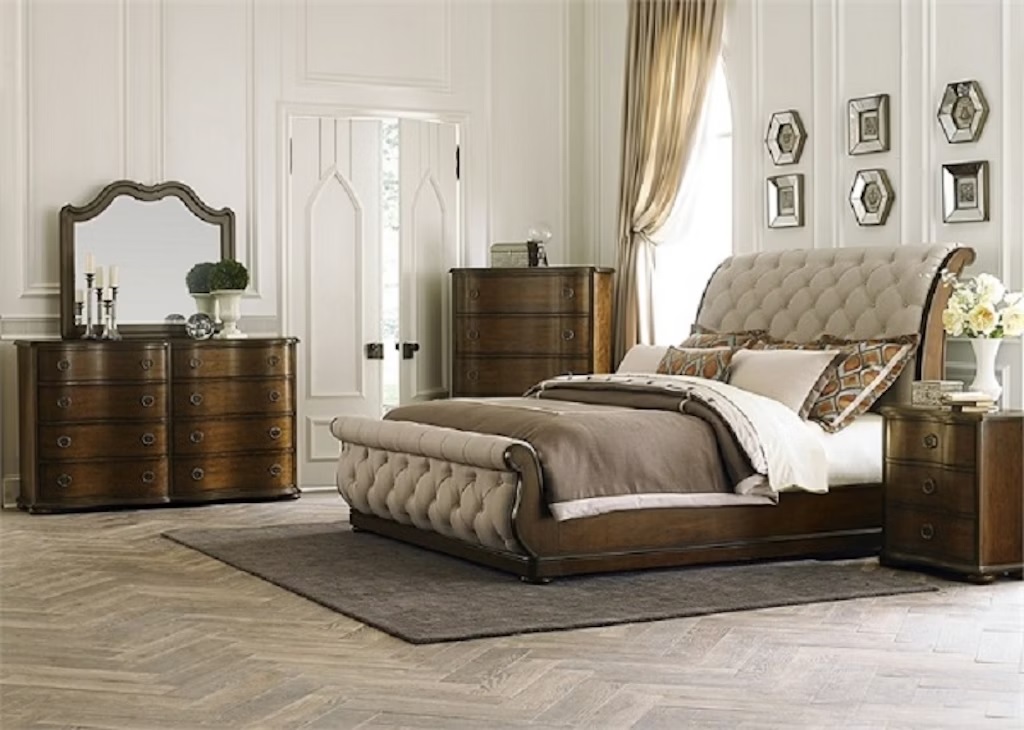

Furniture is more than utility; it is an expression of lifestyle, artistry, and human intention. Every piece—whether a sculptural armchair, a weathered farmhouse table, or a sleek modular sofa—tells a story about the people who use it and the spaces it occupies. In a world increasingly dominated by mass production and fleeting trends, furniture remains one of the few domains where craftsmanship, function, and design can still coalesce into something truly timeless.
Understanding furniture as more than mere décor invites us into a deeper relationship with the environments we inhabit. It asks us to consider not only how we live but how we wish to live. In this sense, furniture becomes not just an accessory to life but a central character in our daily narrative.
The Foundation of Interior Character
A room without furniture is a blank canvas—technically a space, but not yet a place. Furniture gives a room purpose, rhythm, and atmosphere. It delineates zones of rest, conversation, creation, and hospitality. It also speaks, subtly but powerfully, to the aesthetic and emotional sensibilities of those who dwell within.
Core furniture types that define interior function include:
-
Seating: From plush lounges to minimalist dining chairs, these pieces dictate comfort and flow.
-
Tables: Coffee tables, side tables, and dining tables serve as both gathering points and display surfaces.
-
Storage: Sideboards, shelving, and cabinets bring order while contributing to a room’s visual architecture.
-
Surfaces and supports: Consoles, desks, and vanities offer functionality with design potential.
What elevates these pieces from basic to exceptional is not simply their silhouette or finish, but the harmony they create with surrounding elements. A thoughtfully chosen chair, placed with intention, can anchor an entire room’s aesthetic direction.
A Language of Materials
Material selection is the soul of fine furniture. It speaks not only to durability but to taste, texture, and tradition. A mahogany writing desk evokes heritage and gravity; a glass dining table suggests transparency and modernity. These material choices are rarely neutral—they carry stories of craftsmanship, region, and design philosophy.
Noteworthy furniture materials include:
-
Solid wood: Oak, walnut, cherry, and teak offer warmth and longevity, aging beautifully over time.
-
Metal: Brass, stainless steel, and iron bring an industrial edge or polished sophistication.
-
Glass: Elegant and light-reflecting, glass suits modern and minimalist interiors.
-
Textiles: Linen, leather, velvet, and boucle not only provide comfort but evoke different eras and moods.
-
Stone and marble: Durable and distinctive, often used for tabletops and luxury accents.
The interplay between these materials can yield striking results. Pairing cold marble with soft velvet or juxtaposing rustic wood against sleek chrome can achieve both visual balance and tactile intrigue.
Function Meets Form: The Evolution of Design
While furniture once served largely utilitarian purposes—storage, seating, sleeping—it has evolved into an intersection of function and form. The 20th century saw movements like Bauhaus, Mid-century Modern, and Scandinavian minimalism that revolutionized how furniture was conceived. Suddenly, the beauty of a chair lay not in its ornamentation but in its honest lines and structural clarity.
Today’s furniture market celebrates this lineage while also embracing contemporary concerns such as sustainability, customization, and modularity. Designers are increasingly focused on creating pieces that adapt to changing lifestyles—compact furniture for urban living, transformable tables for multifunctional spaces, and ergonomic designs for remote work environments.
Key trends shaping modern furniture include:
-
Sustainability: Ethically sourced wood, recycled materials, and eco-conscious production.
-
Personalization: Modular systems and customizable finishes for a tailored aesthetic.
-
Multifunctionality: Pieces that transition between uses, such as ottomans with hidden storage or desks that fold into wall panels.
-
Wellness-driven design: Ergonomic chairs, adjustable desks, and organic materials that support physical comfort and emotional well-being.
This evolution doesn’t negate tradition—it reframes it. A handmade wooden bench can coexist beautifully with a state-of-the-art home office chair, provided they share a common language of integrity and intention.
The Human Hand: Craftsmanship and Artistry
At the heart of exceptional furniture lies craftsmanship—the often-invisible dedication of artisans who shape, carve, sand, and finish each piece. While machines have enabled large-scale production, the most revered furniture is still defined by human touch. The precision of a dovetail joint, the graceful curve of a hand-turned leg, or the seamless upholstery of a bespoke armchair all reflect a lineage of skill passed down through generations.
Artisanal furniture also carries a sense of permanence. It is designed not for trends but for time. In an age where disposability dominates, a well-made sideboard or heirloom table offers a counterpoint—a commitment to durability, beauty, and emotional resonance.
Emotional Anchors in Everyday Life
Beyond aesthetics and function, furniture holds profound emotional weight. The dining table around which a family gathers, the rocking chair that soothed a newborn, the desk where ideas took shape—these are not just objects but witnesses to life’s quiet rituals. The scratches on a well-loved coffee table or the worn leather of an old armchair tell stories of use, memory, and meaning.
Furniture, in this sense, becomes a form of autobiography. Each chosen piece contributes to a personal narrative, one that evolves with time, taste, and experience. Investing in furniture is not only a matter of interior design; it is a way of shaping the tone and rhythm of daily living.
Conclusion: A Testament to Taste and Time
Furniture is more than something we sit on or store things in. It is an architecture of intimacy and identity. It reflects who we are, what we value, and how we wish to experience our spaces. Whether crafted from reclaimed wood, wrapped in fine leather, or molded from cutting-edge composites, every piece of furniture holds the potential to transform not just a room, but the way we inhabit it.
To furnish a space well is to curate a lifestyle. It is to make deliberate choices about comfort, style, legacy, and self-expression. In doing so, we don’t just decorate—we define. And in those definitions, our furniture quietly, gracefully, becomes the stage upon which life unfolds.
Comments are closed.