
Renovation Tips: How to Match Laminate Flooring with Existing Door Frames and Skirtings

Why Matching Details Matters
When updating your flooring, it’s easy to focus on colour, durability and texture — but the finer details around the edges can have just as much impact. Matching new laminate flooring with existing door frames, architraves and skirting boards can be the difference between a professional-looking finish and one that feels incomplete.
For those upgrading their laminate flooring in Falkirk as part of a renovation or home improvement project, paying attention to these finishing touches will help the entire room feel more cohesive and well-considered. It’s not just about style — it can also affect how the floor is fitted, how it ages, and how much maintenance is needed in the long run.
Working with Existing Woodwork
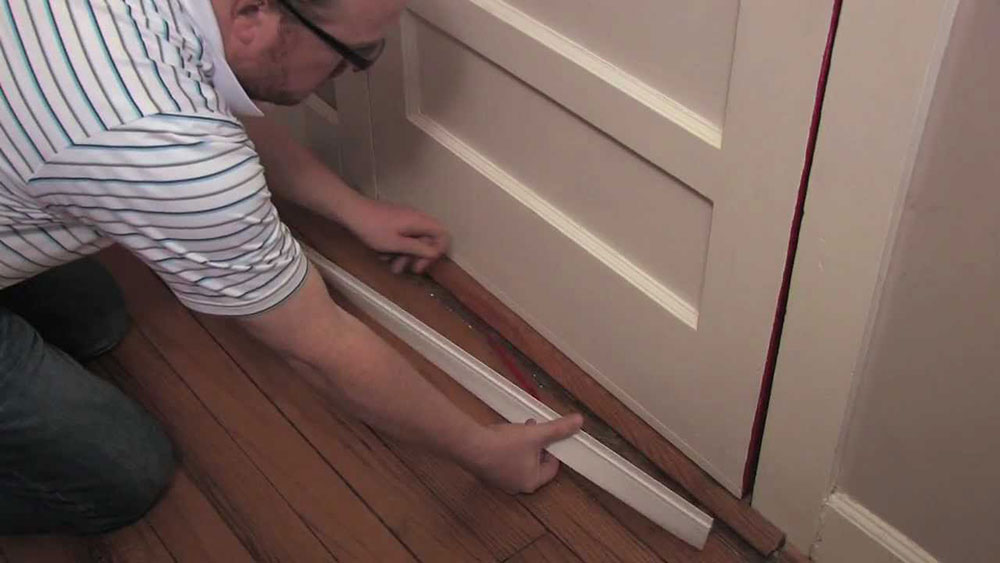
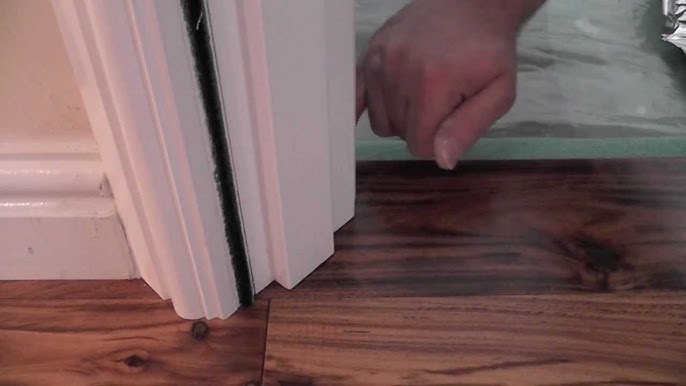
If your door frames and skirting boards are staying put, your new flooring will need to work around them. One common solution is to undercut the door frames. This involves trimming the bottom of the frame just enough for the laminate plank to slide underneath, creating a seamless edge without needing unsightly silicone or trim pieces.
Skirting boards offer two main options: remove and refit them after the flooring is installed, or leave them in place and use a scotia or beading strip to bridge the gap. While removing skirtings offers a cleaner finish, it does add time and labour. Leaving them in place is more convenient, but may add visual lines that interrupt the flow of the floor.
Colour and Finish Considerations
If your door frames and skirting boards are painted white or a neutral colour, you have more flexibility in choosing your laminate tone. Most wood-effect laminates pair well with bright trims, offering a clean contrast. However, if your architraves or skirtings are stained or varnished wood, matching becomes more nuanced.
Try to keep wood tones in the same colour family. If your existing trim has warm undertones, avoid flooring with cool grey or ash hues, as the clash may feel disjointed. When a perfect match isn’t possible, look for a complementary tone that blends without drawing attention to the difference.
For a more modern look, some people choose to repaint or replace skirtings to better suit the new flooring. While this adds to the overall project, it can transform the room into a more unified space, especially when working with open-plan layouts.
Dealing with Height Differences
Laminate flooring usually sits higher than bare subfloors, especially when laid over underlay. This can cause issues with door clearances and transitions to other rooms. Plan ahead by checking the height difference before fitting, and be prepared to shave the bottom of your doors if needed.
You may also need to adjust door thresholds or transition strips between laminate and other flooring types, like carpet or tile. Using matching or low-profile thresholds will help maintain a consistent flow throughout your home while reducing the risk of trip hazards.
Tips for a Neat and Tidy Finish
- Use colour-matched sealant around tricky areas like radiator pipes or awkward corners
- Always leave the correct expansion gap around the edges to prevent buckling
- Invest in quality finishing trims if you choose not to remove skirting boards
- When in doubt, consult with a professional installer — a few hours of skilled labour can prevent costly fixes later
Laminate flooring is a practical and attractive option for many homes, but the way it meets your existing features will influence the final look. A little extra planning around door frames and skirtings ensures that your new floor doesn’t just look good — it looks like it was always meant to be there.
Comments are closed.