
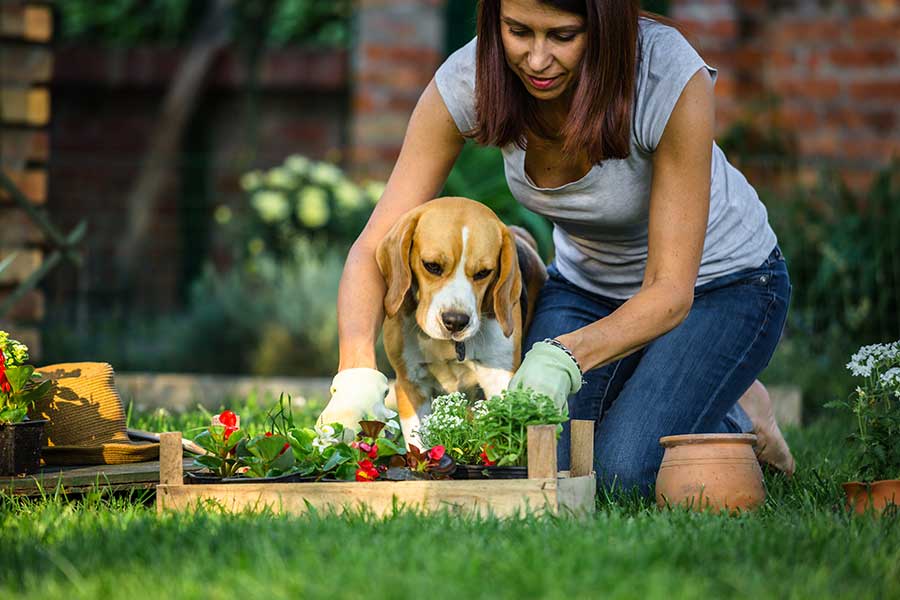

Creating an outdoor sanctuary where your furry companions can roam freely is one of the most rewarding projects for any pet owner. A well-designed yard offers essential physical exercise, mental stimulation, and fresh air for both cats and dogs. However, standard landscaping plants, common fertilizers, and everyday backyard features can harbor hidden dangers that threaten the health and safety of your pets. Transforming your backyard into a secure haven requires careful planning, thoughtful plant selection, and smart spatial organization that caters to the natural behaviors of both felines and canines.
Balancing the distinct needs of cats and dogs within a single outdoor space demands a strategic layout. Dogs generally require open spaces to run, sturdy boundaries, and designated digging zones, while cats prefer vertical territory, shady hiding spots, and soft surfaces for lounging. By merging pet psychology with intentional landscaping, you can build a stunning, functional oasis that keeps your animals safe and your garden thriving throughout the seasons.
Choosing Pet-Safe Plants and Eliminating Toxic Flora
The foundation of any safe pet-friendly garden begins with plant selection. Many popular ornamental plants, flowers, and bulbs contain potent toxins that can cause severe gastrointestinal distress, organ failure, or worse if ingested by curious pets. Before introducing any greenery into your landscape, cross-reference every species with trusted horticultural databases to ensure complete safety for both cats and dogs.
-
Common Plants to Avoid: Keep lilies, azaleas, rhododendrons, oleander, sago palms, tulips, and daffodils entirely off your property. True lilies are exceptionally toxic to cats, where even a tiny dusting of pollen or a sip of water from the vase can trigger fatal kidney failure.
-
Pet-Friendly Alternatives: Substitute hazardous flora with safe, resilient alternatives such as snapdragons, marigolds, sunflowers, petunias, and ornamental grasses like fountain grass. These plants provide vibrant color and texture without posing a threat to nibbling animals.
-
Safe Herb Gardens: Dedicate a raised bed or container garden to pet-safe herbs. Catnip and cat grass will delight your felines, while rosemary, basil, and cilantro can be safely grown without harming dogs that wander through the garden beds.
Establishing Secure Boundaries and Fencing
A secure perimeter is non-negotiable for any yard housing dogs and outdoor-access cats. Dogs are notorious for finding gaps in fencing, digging underneath barriers, or leaping over low walls when chasing wildlife. Cats, on the other hand, are remarkably agile climbers and escape artists capable of scaling standard wooden fences with ease.
-
Canine Containment: Install sturdy fencing that stands at least six feet tall for larger, active dog breeds. Ensure the bottom of the fence extends slightly underground or is reinforced with buried chicken wire or concrete edging to prevent enthusiastic diggers from tunneling their way to freedom.
-
Feline Enclosures and Catios: To keep cats safe from neighborhood predators, traffic, and parasites, consider installing specialized cat fencing featuring inward-leaning overhangs that prevent climbing over. Alternatively, construct a fully enclosed patio structure, commonly known as a catio, allowing your feline friends to experience the outdoors safely.
-
Gate Security: Double-gate entry systems at garden access points provide an extra layer of security, preventing dogs or cats from darting out the moment someone opens the gate.
Creating Designated Zones for Play and Digging
Dogs love to run, play fetch, and occasionally dig holes, while cats seek out soft soil or sand for elimination and lounging. If you do not channel these natural instincts into specific areas of the yard, your prized flower beds and manicured lawn will quickly become collateral damage. Designing intentional zones keeps both your pets happy and your landscaping intact.
-
The Canine Digging Pit: Rather than punishing a dog for digging, designate an acceptable outlet for this behavior. Build a sandbox or a dedicated corner filled with loose soil or soft sand, and bury a few durable toys inside to encourage your dog to dig exclusively in that designated spot.
-
Running Paths: Create clear pathways using pet-safe mulch, smooth river stones, or stepping stones. Dogs naturally patrol the perimeter of their yard, so establishing a wide, durable track along the fence line protects your grass from becoming worn down into muddy trenches.
-
Feline Lounging Stations: Set up elevated platforms, shaded benches, and patches of soft, organic turf where cats can sunbathe and observe their surroundings from a position of security.
Safe Lawn Care and Natural Pest Management
Achieving a lush, green lawn often involves chemical fertilizers, weed killers, and insecticides that can pose serious health hazards to pets. Dogs and cats absorb chemicals directly through their paw pads when walking on treated grass and frequently ingest residues while grooming themselves. Transitioning to organic landscaping methods protects your ecosystem and your animals.
-
Organic Fertilizers and Soil Amendments: Avoid synthetic chemical fertilizers and blood meal, which is highly toxic to dogs if ingested in large quantities due to its high iron content. Instead, enrich your soil with compost, worm castings, or seaweed-based fertilizers.
-
Safe Pest Control: Steer clear of commercial snail baits containing metaldehyde, which is rapidly fatal to dogs and cats. Utilize physical barriers like copper tape, Diatomaceous Earth, or companion planting to deter pests naturally without chemical intervention.
-
Water Safety: Ensure that any standing water, birdbaths, or decorative ponds are treated safely. Stagnant water can breed mosquitoes and harbor harmful bacteria or blue-green algae that cause severe illness if consumed by thirsty pets.
Essential Landscape Layout and Material Choices
The materials you choose for hardscaping and garden structures play a massive role in overall pet safety. Sharp gravel, hot paving stones, and splintering wood can easily injure sensitive paw pads and skin.
-
Choosing Paving Materials: Avoid dark asphalt and unsealed concrete, which absorb intense solar heat during summer months and can severely burn a dog’s paws. Opt for lighter-colored pavers, natural wood decking, or fine, rounded pea gravel that does not trap heat or catch in fur.
-
Shade and Shelter: Ensure your yard provides ample micro-climates. Plant shade trees or install outdoor pet houses, canvas shades, and covered patios to protect animals from heatstroke during peak summer temperatures.
-
Avoiding Thorny Plants: Keep rose bushes, holly, cacti, and barberry bushes planted well away from pathways and play zones where a running dog or leaping cat could crash into sharp thorns.
Frequently Asked Questions
What are the best ground covers for a yard with dogs and cats?
Hardy ground covers like clover, creeping thyme, and creeping Charlie stand up exceptionally well to heavy pet traffic while remaining completely non-toxic. Avoid delicate ground covers that easily uproot under paw pressure.
How can I stop my cat from using my vegetable garden as a litter box?
Cover exposed soil in vegetable beds with rough pinecones, smooth river rocks, or wire mesh grids. Cats dislike walking on uneven, prickly textures and will naturally seek out softer, more accommodating areas for elimination.
Are wood mulches safe for dogs to chew on?
Untreated hardwood chips and pine straw are generally safe, but avoid cocoa bean shell mulch entirely. Cocoa shell mulch contains chemical compounds similar to chocolate that are toxic to dogs and emit a sweet scent that attracts them.
What is the safest way to water my lawn without exposing pets to standing chemicals?
If you rely on municipal water treated with high levels of chlorine or fluoride, consider installing a simple inline garden hose filter. This removes harsh chemicals and sediment, providing cleaner drinking water for outdoor pet bowls and sprinklers.
How do I protect my flower beds from being trampled by large dogs?
Install low, decorative border fencing or create natural physical barriers using densely planted, sturdy shrubs like boxwoods. These barriers gently redirect a dog’s walking path without causing injury or ruining the garden aesthetic.
Can outdoor lighting pose any danger to pets in the garden?
Exposed low-voltage landscape lighting wires can be chewed by teething puppies or digging dogs, creating an electrocution hazard. Always bury low-voltage wiring at least six inches deep or route cables through protective conduit tubing.
How do I keep wildlife like stray cats or raccoons out of my pet-friendly yard?
Maintain secure, tightly sealed garbage bins, remove fallen fruit from trees, and seal potential nesting gaps under decks or sheds. Eliminating accessible food sources and shelter deters unwanted animals from invading your pet’s territory.
Comments are closed.