
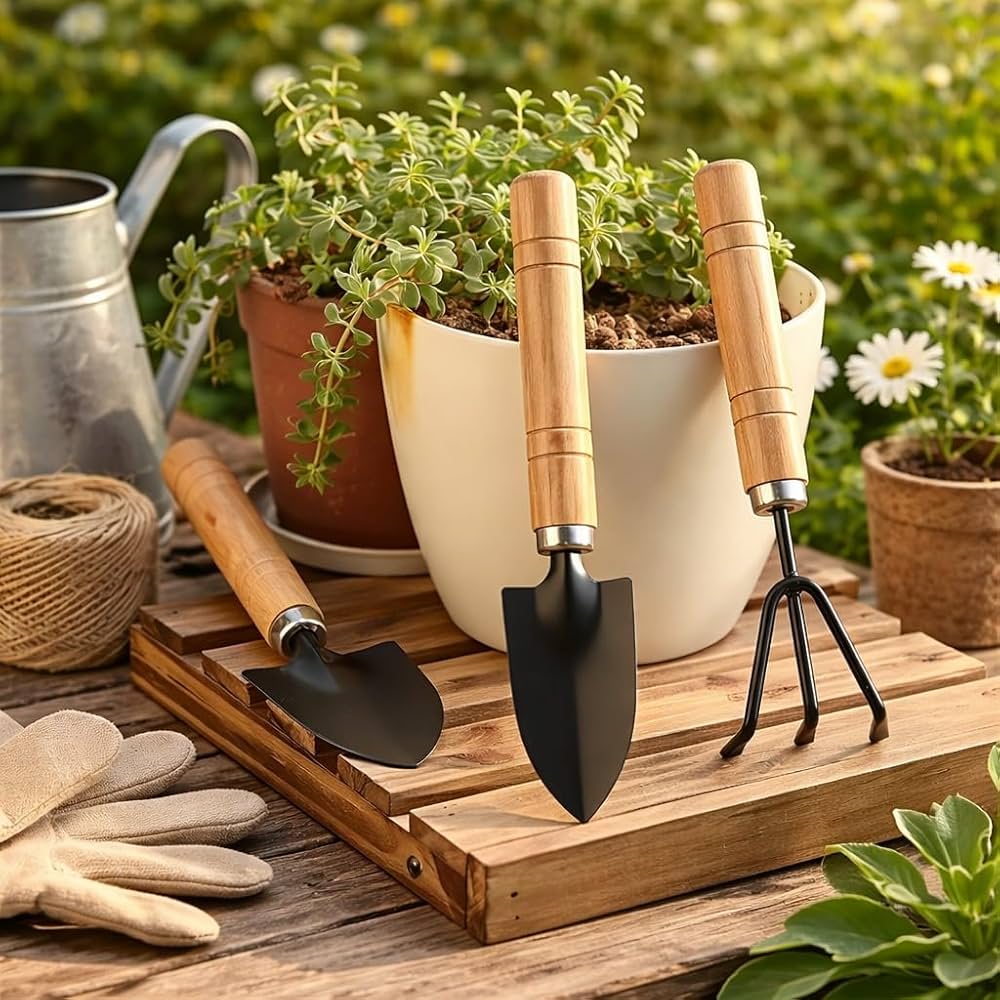

Embarking on a gardening journey is an immensely rewarding experience that connects you with nature and yields fresh produce or vibrant flowers right outside your door. However, stepping into a hardware store or browsing online nurseries can quickly become overwhelming when faced with rows of specialized gadgets and gleaming hardware. Many new gardeners make the mistake of buying cheap, flimsy tools or purchasing overly complex equipment they will never actually use. Building a successful garden starts with selecting a reliable foundation of high-quality hand tools that make physical tasks easier, protect your hands, and last for years. This guide explores the essential garden tools every beginner should invest in to set themselves up for long-term success.
The Hand Trowel
If you purchase only one single tool to start your gardening adventure, make it a heavy-duty hand trowel. This versatile instrument acts as your primary extension in the soil, handling everything from digging individual planting holes for bedding plants to potting container herbs and mixing amendments.
When shopping for a trowel, pay close attention to the build quality. Avoid plastic models entirely, as they snap easily under moderate pressure when hitting compacted dirt or small rocks. Instead, look for a single-piece forged stainless steel or aluminum alloy trowel that offers exceptional strength and rust resistance. A comfortable rubberized or wooden handle that fits securely in your palm will prevent hand fatigue and painful blisters during long planting sessions.
Bypass Pruners
Keeping plants healthy and productive requires regular maintenance, and a sharp pair of pruning shears is indispensable for the job. Also known as secateurs, these tools are used to trim dead foliage, harvest vegetables, cut back overgrown stems, and shape flowering shrubs.
-
Bypass Design: Always choose bypass pruners over anvil pruners for general gardening. Bypass blades pass past each other like scissors, delivering a clean cut through live stems that heals rapidly without crushing plant tissue.
-
Blade Maintenance: Look for pruners featuring hardened high-carbon steel blades that hold a sharp edge, along with an ergonomic locking mechanism to keep them safely closed when stored.
The Hori Hori Gardening Knife
Often called a soil knife, the traditional Japanese hori Hori is a multi-purpose powerhouse that quickly becomes the most reached-for instrument in any shed. Featuring a sturdy, concave steel blade with one straight edge and one serrated edge, it performs the work of multiple tools at once.
You can use a hori hori to slice through stubborn weed roots, saw through small woody vines, dig deep narrow holes for bulbs, and divide crowded perennials. Many models include measurement graduations stamped right onto the blade, allowing you to check planting depths instantly as you work. Its robust full-tang construction means you can leverage significant force without worrying about the blade snapping off in hard soil.
Garden Gloves
Protecting your skin while working outdoors is essential to prevent painful blisters, deep dirt buildup beneath fingernails, scratches from thorns, and contact with biting insects. While bare-handed gardening has its appeal, a good pair of gloves transforms strenuous chores into a much more comfortable experience.
Look for lightweight, breathable synthetic materials on the back of the hand to keep your skin cool, paired with coated nitrile or leather palms for enhanced grip and puncture resistance. Avoid thick, stiff leather gloves that lack dexterity, as you need nimble fingers to handle delicate seeds, tiny seedlings, and precise hand tools effectively.
A Sturdy Garden Spade
While a hand trowel manages tight spaces and container planting, tackling larger yard projects requires a full-sized garden spade. Unlike a flat-bottomed transfer shovel designed strictly for moving loose mulch or gravel, a spade features a sharp, pointed blade optimized for cutting through dense turf, digging up deep-rooted weeds, and planting shrubs or trees.
-
Handle Length: Choose a handle length that matches your height, ensuring you can leverage your upper body weight without excessive lower back strain.
-
Material Integrity: Opt for a solid steel shaft or a reinforced fiberglass handle with a secure D-grip for maximum leverage when breaking ground in uncultivated soil.
Hand Cultivator or Garden Fork
Compact soil starves plant roots of essential oxygen and water, making a hand cultivator an invaluable asset for any beginner. Featuring three curved metal tines, this tool lets you loosen compacted earth, incorporate compost into surface soil, and unseat shallow weeds without disturbing neighboring plant root systems. If you are working primarily in raised beds or small garden plots, a short-handled garden fork gives you precise control over soil preparation and texturizing.
Watering Can or Quality Hose
Consistent hydration dictates whether your plants thrive or wither away, making your choice of watering equipment critical. For small patio gardens, container arrangements, and delicate seed starting trays, a two-gallon watering can equipped with a detachable rose spout provides gentle, controlled distribution that prevents washing away fragile seeds. For larger landscape beds and vegetable plots, invest in a kink-resistant, UV-protected garden hose paired with an adjustable nozzle that offers a soft shower setting.
Frequently Asked Questions
How should I clean and maintain my garden tools to prevent rust?
After every gardening session, use a stiff brush or a damp cloth to remove caked-on dirt and plant sap. Dry the metal components thoroughly with a clean rag to prevent moisture from causing rust, and occasionally wipe carbon steel blades with a light coat of linseed oil or multi-purpose machine oil before storing them in a dry shed or garage.
Are expensive garden tools worth the extra money for beginners?
Mid-range tools crafted from forged stainless steel or high-carbon steel generally offer a much better long-term investment than ultra-cheap alternatives. Cheap tools often bend at the neck, lose their cutting edges immediately, or feature wooden handles that splinter within weeks, whereas quality instruments last for decades with basic care.
What is the best way to store garden tools during the winter months?
Winterizing your gear involves thoroughly cleaning, drying, and sharpening all cutting edges and spade blades. Hang tools off the ground on wall-mounted brackets or racks inside a garage or shed to keep them away from damp concrete floors that promote corrosion.
Do I need a wheelbarrow as a beginner gardener?
If your gardening is limited entirely to a few containers on a balcony or a single small raised bed, a wheelbarrow is unnecessary. However, if you plan on establishing ground beds, moving bags of soil, hauling compost, or transporting harvested produce across a larger yard, a lightweight garden cart or wheelbarrow saves immense physical effort.
How often should I sharpen my bypass pruners and hori hori knife?
Sharpening frequency depends on how often you use your tools, but a good rule of thumb is to sharpen cutting blades at the beginning of each growing season and touch them up with a diamond file or sharpening stone every few months of heavy use to ensure clean cuts.
Can I leave my garden hose outside year-round?
Leaving a standard garden hose pressurized and exposed to freezing winter temperatures causes trapped water to expand, which splits the inner lining and ruins the hose. Always drain all standing water from your hoses before coil-storing them indoors or in a protected frost-free area when freezing weather arrives.
What is the safest way to prevent blisters when using manual tools?
Wearing well-fitting gloves with reinforced palms is the most effective defense against friction blisters. Additionally, holding tool handles with a firm yet relaxed grip rather than death-gripping them reduces repetitive friction and hand cramping.
Comments are closed.