
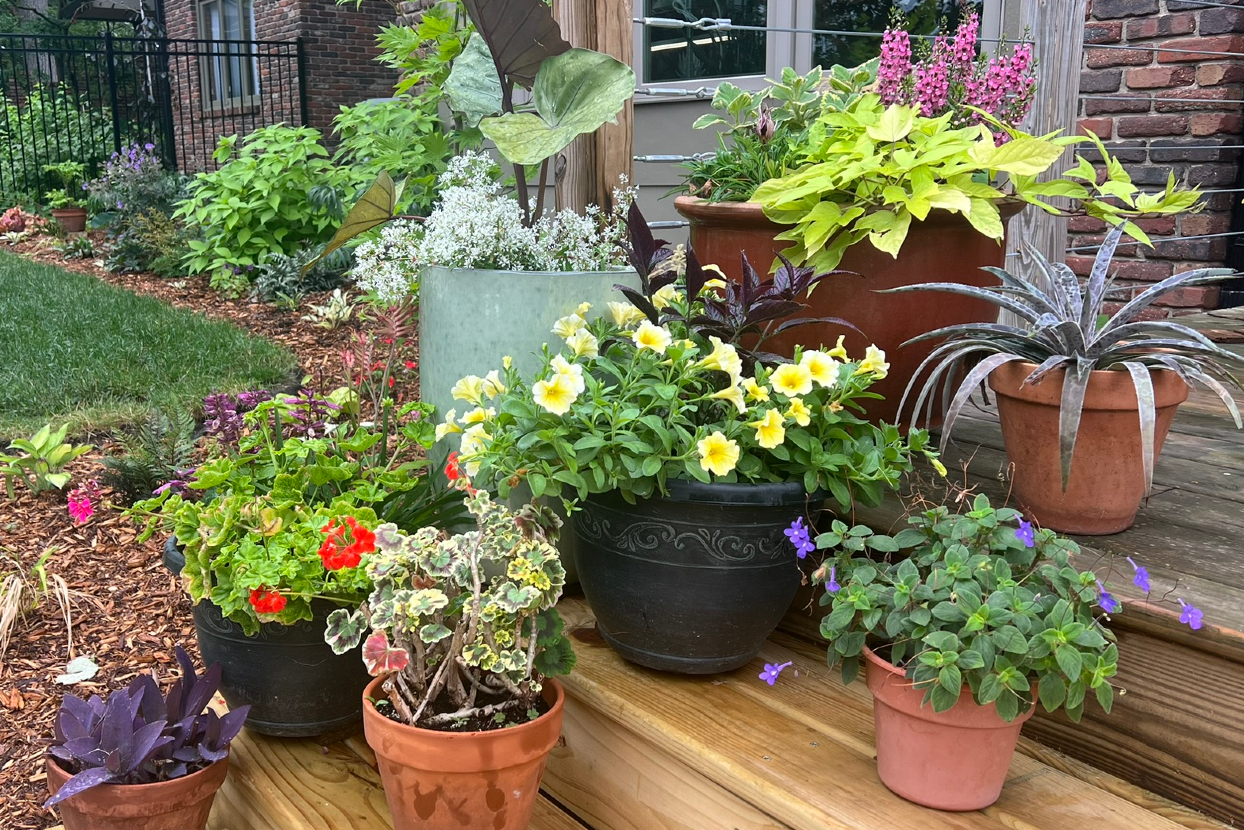

Evaluating Your Balcony Microclimate
Before buying seeds, starter plants, and bags of soil, you must spend a few days observing the unique environmental conditions of your balcony. Every building and exposure creates a distinct microclimate that dictates what plants will survive and flourish.
-
Sunlight Exposure: Track how many hours of direct sunlight your balcony receives daily. South-facing and west-facing balconies typically get intense afternoon sun, ideal for sun-loving vegetables like peppers, tomatoes, and marigolds. North-facing and east-facing balconies receive softer, cooler light, better suited for leafy greens, herbs, and shade-tolerant flowers like begonias.
-
Wind Resistance: High-rise balconies experience significantly stronger wind gusts than ground-level yards. High winds dry out soil rapidly, snap delicate plant stems, and easily topple lightweight plastic pots.
-
Weight Restrictions: Balconies have structural weight limits. Wet soil, heavy ceramic containers, and large watering cans add up quickly, so be mindful of the total load you place on cantilevered structures.
Selecting the Right Containers and Materials
Choosing the correct pots and planters determines whether your balcony plants develop robust root systems or struggle to stay alive. A container must provide adequate volume for root growth and possess proper drainage holes at the bottom.
Avoid planting in containers that lack drainage holes, as trapped water leads directly to root rot and fatal fungal diseases. Plastic and fiberglass pots are lightweight, retain moisture well, and are easy to rearrange, making them ideal for high-rise balconies. Terracotta and ceramic pots look beautiful and allow soil to breathe, but they dry out very fast under hot sun and add substantial weight to your setup. Fabric grow bags represent an exceptional modern option, offering superior root aeration, preventing root circling, and weighing almost nothing when empty.
Choosing High-Yield Vegetables and Companion Flowers
Space is your most precious commodity on a balcony, meaning every plant you choose must earn its place. Focus on compact, bush-type varieties rather than sprawling heirloom vines that demand massive trellises.
-
Compact Vegetables: Cherry tomatoes, bush beans, dwarf bell peppers, radishes, and leaf lettuce thrive brilliantly in pots and produce abundant harvests throughout the growing season.
-
Flowering Companions: Interspersing edible crops with colorful flowers like marigolds, nasturtiums, and pansies adds stunning aesthetic contrast while naturally deterring harmful pests and attracting essential pollinators like bees and butterflies.
-
Culinary Herbs: Basil, mint, rosemary, and thyme occupy minimal space in small window boxes or railing planters, providing fresh flavor additions to your daily cooking.
Mastering Potting Soil and Nutrient Management
One of the most frequent mistakes beginner container gardeners make is digging up native dirt from a park or using leftover ground soil in their pots. Garden soil is too dense, packs down tightly in confined spaces, lacks proper aeration, and often harbors weed seeds or pests.
Always invest in a high-quality, lightweight potting mix formulated specifically for container gardening. Potting mix typically contains peat moss, coconut coir, perlite, and vermiculite, creating a fluffy texture that retains essential moisture while allowing excess water to drain freely. Because nutrients wash out of pots every time you water your plants, you must replenish them regularly. Mix slow-release organic fertilizer granules into your soil at planting time and supplement with a liquid organic fertilizer every two to three weeks during the peak growing season.
Watering Wisely in Confined Spaces
Plants growing in containers dry out much faster than plants growing in open ground, particularly on elevated balconies exposed to drying winds and reflected heat from brick or concrete walls.
Check soil moisture daily by pressing your index finger an inch deep into the dirt; if it feels dry at that depth, it is time to water. Water deeply until you see liquid running out of the drainage holes at the bottom of the container, ensuring the entire root ball gets saturated. Avoid frequent shallow watering, which only wets the top layer of soil and encourages shallow root development. Early morning is the absolute best time to water, giving plants ample hydration to withstand the heat of the day and allowing any wet foliage to dry quickly, preventing fungal issues.
Maximizing Vertical Space
When horizontal floor space runs out, look upward to expand your balcony garden exponentially. Vertical gardening allows you to grow a much larger volume of plants without cluttering your walking area.
Install sturdy railing planters that hang securely outward, freeing up valuable floor space for seating or larger pots. Utilize vertical wall grids, hanging baskets, and tiered plant stands to layer your greenery vertically. Climbing crops like snap peas or pole beans can be trained up lightweight bamboo trellises or string nets attached against a balcony wall, creating a lush, living privacy screen.
Frequently Asked Questions
How do I prevent my balcony pots from blowing over in strong winds?
To stabilize lightweight containers on windy high-rise balconies, place a layer of heavy river rocks or broken terracotta shards at the bottom of each pot before adding soil to lower the center of gravity. Grouping pots closely together in clusters also provides mutual wind protection and reduces individual pot exposure.
Can I grow root vegetables like carrots on a balcony?
Yes, you can successfully grow root vegetables like radishes, beets, and short-varieties of carrots in containers, provided the pot is deep enough. Ensure your container has a minimum depth of ten to twelve inches and features loose, rock-free potting mix so the roots can expand downward without becoming deformed.
What should I do with my balcony containers during freezing winter weather?
In colder climates, empty annual pots, wash them thoroughly, and store them indoors or in a shed to prevent freezing temperatures from cracking ceramic and plastic containers. Perennial herbs or cold-hardy plants left outside should be moved close to the apartment wall and insulated with burlap or bubble wrap to protect their root balls from hard freezes.
How do I deal with balcony pests like aphids if I live on a high floor?
Even high-rise balconies can attract pests like aphids, spider mites, or whiteflies blown in by the wind or carried on nursery plants. Inspect the undersides of leaves regularly and treat infestations naturally by spraying plants with a mixture of mild liquid castile soap and water, or by introducing beneficial insects like ladybugs.
Is it possible to grow full-sized fruit trees on an apartment balcony?
While full-sized fruit trees require massive root systems and ground space, many dwarf fruit tree varieties grafted onto dwarfing rootstocks thrive wonderfully in large half-barrel containers or smart fabric pots on sunny balconies, including dwarf citrus, figs, and patio apple trees.
How can I protect my balcony flooring from water stains and rot?
Water runoff laden with soil particles and fertilizers can stain concrete or wooden balcony decks over time. Place saucers or waterproof plant trays underneath all your containers, making sure to empty standing water from the saucers regularly to prevent mosquito breeding and root suffocation.
Do balcony gardens require special pest-free soil to avoid indoor bugs?
Commercial potting mixes are pasteurized and packaged specifically to be weed-free and pathogen-free, minimizing the risk of introducing unwanted soil-borne pests. Avoid using yard compost or garden topsoil for indoor or balcony container setups to keep pest issues down to a minimum.
Comments are closed.